
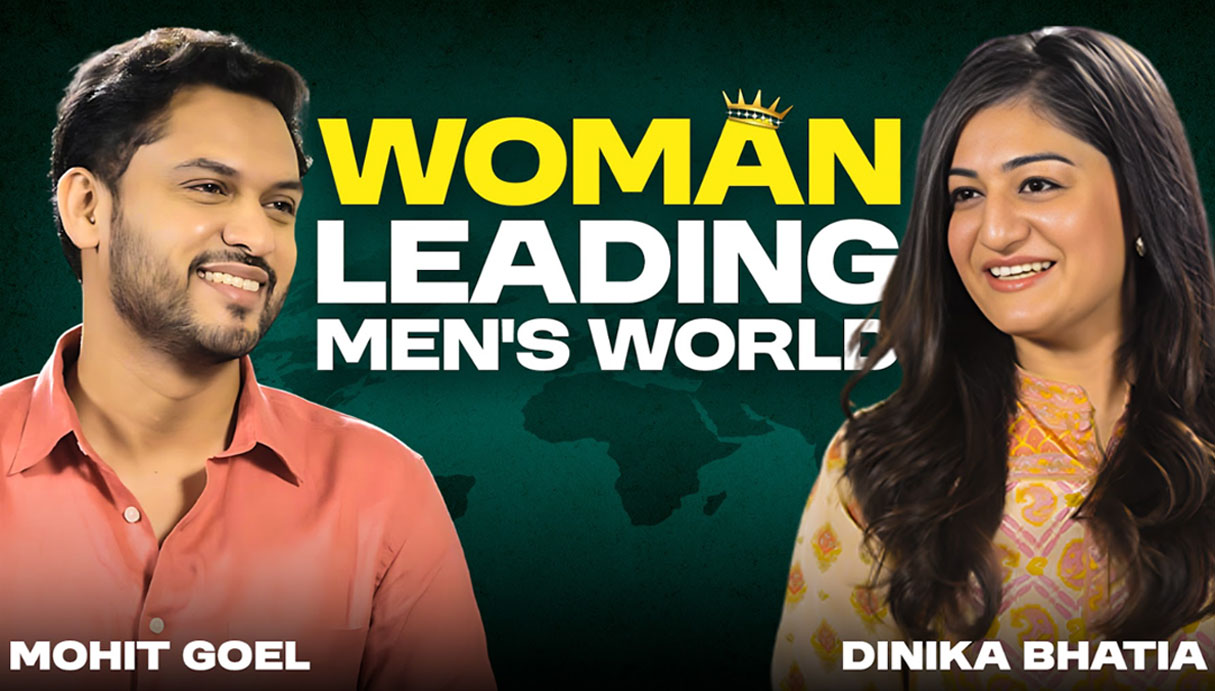
A 130-Year Legacy in Dry Fruits
“My family has been in the dry fruit business since 1887.”
Dinika Bhatia is the 6th generation entrepreneur of a legacy that began in pre-independence India. What started in 1887 in present-day Pakistan as a small dry fruit trading business grew into one of India’s most respected family businesses in the nuts and dry fruit industry.
But for Dinika, carrying the family surname wasn’t enough. She knew that in today’s competitive packaged food industry in India, survival requires more than tradition, it demands innovation, brand-building, and a D2C-first mindset.
From Surname to Startup
Armed with an international education and exposure to global consumer trends, Dinika recognized a huge gap in the Indian snacking market. Dry fruits were stuck in the category of “festive gifts” or “boring health food.” She reimagined them as everyday healthy snacking options for the modern consumer.
Her D2C brand in India introduced innovative formats, modern packaging, and health-focused marketing, speaking directly to millennials and Gen Z. By combining family business credibility with modern consumer insights, Dinika turned a traditional product into a scalable lifestyle brand.
Breaking the Illusion of Legacy
Being a 6th-generation family business leader may sound glamorous, but as Dinika explains:
“Family legacy doesn’t guarantee success – innovation does.”
She faced the heavy burden of comparisons, expectations, and market skepticism. In the Indian business ecosystem, where second-generation and next-generation entrepreneurs are often seen as privileged, Dinika had to prove that her achievements were not inheritance-driven but innovation-led.
Her story reflects the harsh truth of family businesses in India: while legacy opens doors, sustainable growth depends on modern entrepreneurship, consumer trust, and business resilience.
Lessons for Entrepreneurs
- Legacy ≠ Shortcut: A strong surname helps, but markets reward innovation and execution.
- Rebrand Tradition: Old categories like dry fruits can be transformed into modern D2C brands.
- Global Thinking, Local Roots: Success comes from blending Indian heritage with global consumer insights.
- Health as a Hook: In India’s fast-growing wellness and snacking market, health-first positioning is the ultimate growth driver.
Why Dinika’s Story Matters
India’s packaged food and healthy snacking industry is projected to cross $50 billion by 2030. Yet very few entrepreneurs manage to bridge the gap between tradition, trust, and modern consumer behavior. Dinika Bhatia has done just that, making her journey a case study in next-gen entrepreneurship in India.
By taking her 130-year-old family business into the digital-first D2C space, she proves that legacy entrepreneurship in India must evolve with time. Her success shows that the future of Indian family businesses lies not just in inheritance, but in adaptation, innovation, and consumer-centric leadership.
Dinika’s journey is a reminder that legacy is inherited, but leadership is built.